Logistics Leadership Habits That Unlock Team Potential

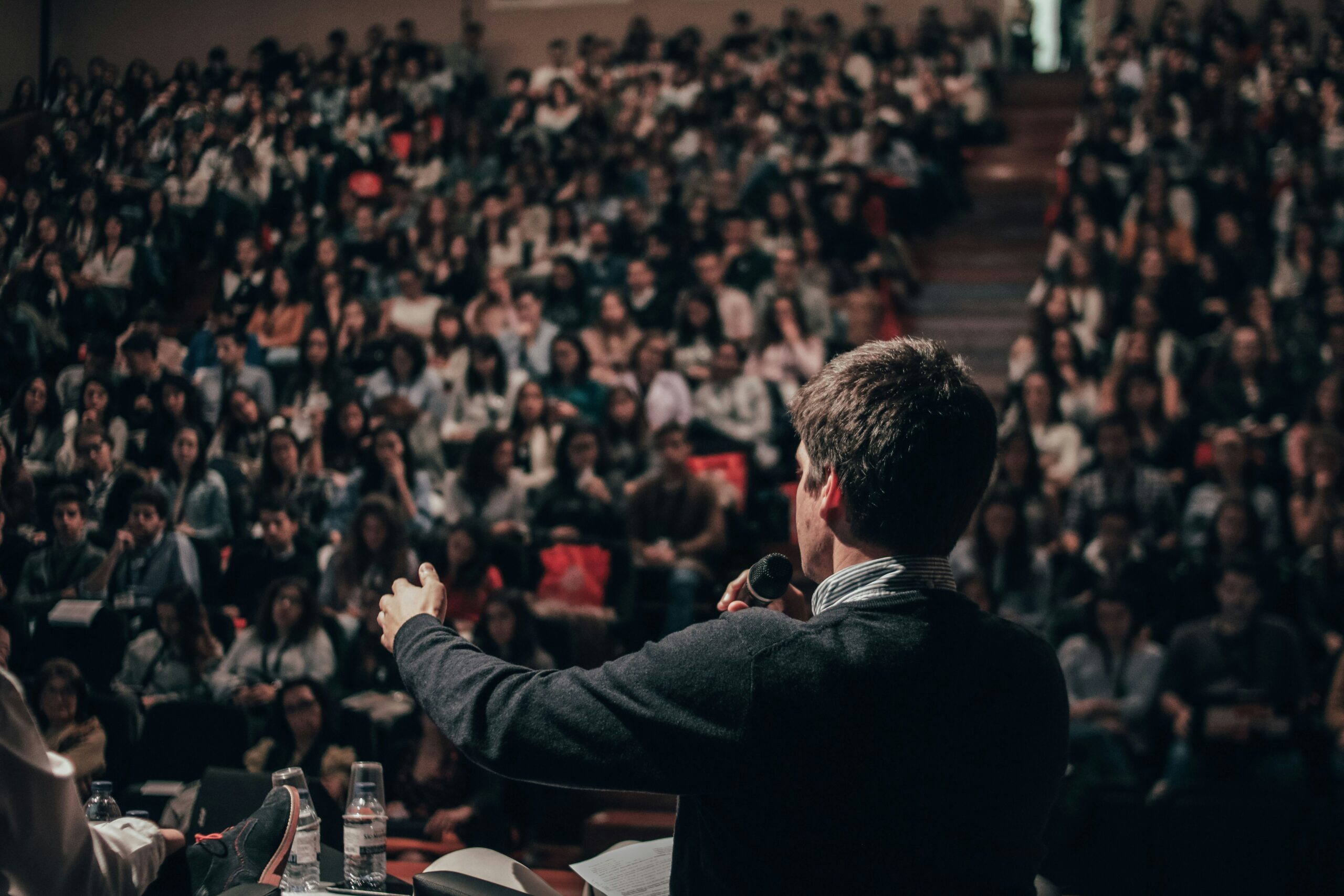
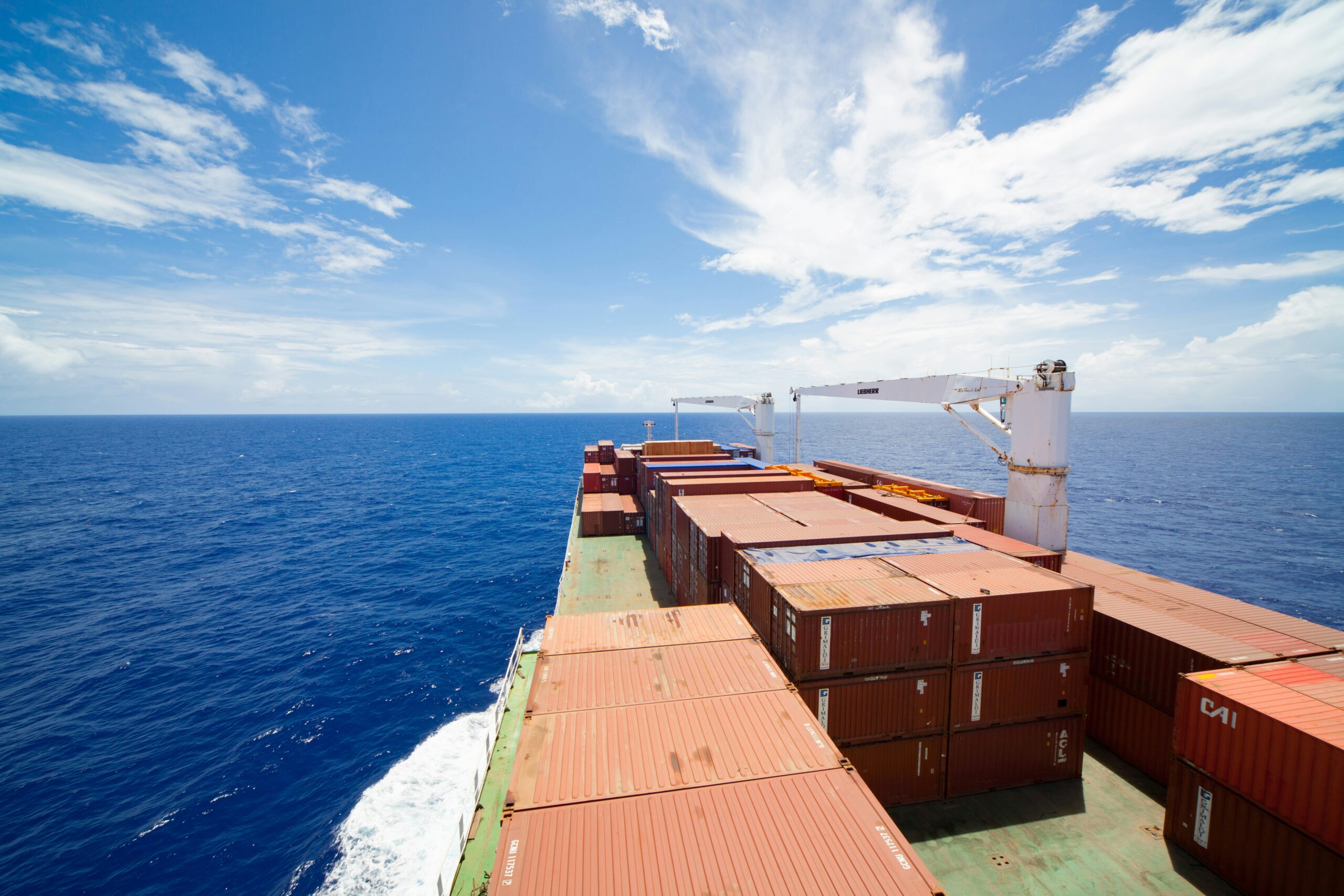
In the fast-paced world of international trade and logistics, high-performing teams don’t just happen — they’re coached into being. But often, innovative suggestions from team members vanish before they gain traction. A new customs clearance shortcut or a smarter container-loading method appears briefly—then disappears, quietly dismissed. Why? Because fear of disruption, failure, or criticism causes self-censorship long before a solution reaches the discussion table.
This fear is deeply human. As Welsh novelist Sarah Waters described, even the most seasoned professionals face “moments of bowel-curdling terror” when confronting their own ideas. Logistics managers experience a similar dread: What if the new delivery workflow fails? What if inventory KPIs dip? What if this change breaks a system that’s “good enough”?
Psychologists have long studied this internal resistance. Carl Jung called it the “inner critic.” In business, Stanford professors Michael Ray and Rochelle Myers named it the “voice of judgment.” These internal filters are especially potent in logistics, where precision, timing, and risk mitigation are everything.
Still, allowing fear to stifle creativity in warehouse teams or logistics operations undermines growth. Empty freight space and inefficient pick-paths are the “barren fields” of our sector. Like land that yields no harvest, underutilized knowledge within a team represents missed potential.
True logistics leadership requires coaching teams to challenge the status quo. Ask more questions. Pilot that alternative transit route. Let your planner test a new TMS feature.
Because the greatest weakness in logistics management — just like in innovation — is giving up too soon. The clearest path to supply chain excellence? Try once more. Audit again. Adjust and test. And keep your teams engaged by fostering an environment where ideas don’t just appear and vanish — they’re encouraged, refined, and deployed.
Even if past disruptions haunt us, today’s trade environment demands clarity, courage, and continuous improvement. Coaching your team through the discomfort of change is no longer optional — it’s the difference between a good operation and a great one.