
Online Payments in Global Logistics: What You Must Know to Protect Your Business Transactions
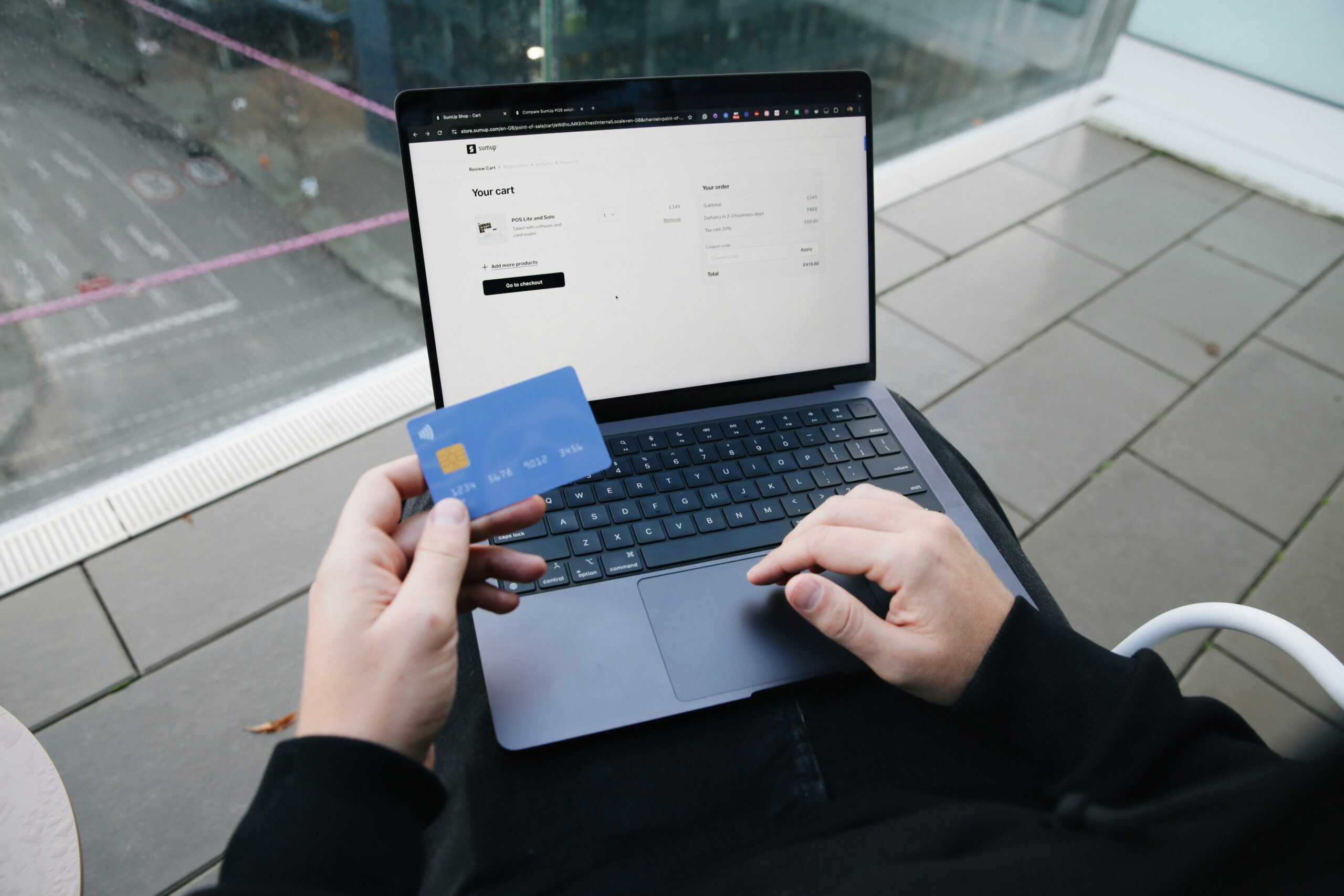
In today’s digital-first trade environment, online payments are the lifeblood of global supply chains. Whether you’re securing freight space, ordering telecom equipment, or paying customs fees, the checkout button isn’t just a convenience — it’s a strategic touchpoint. But often, ideas for smarter or safer payment practices are ignored. A new invoicing system, a payment gateway with real-time currency conversion, or a secure escrow service may appear briefly, then disappear—dismissed before they’re explored.
Why? Because we fear disruption. Because finance teams — like logistics professionals — are trained to prioritize reliability. As Sarah Waters described of the creative process, even professionals experience paralyzing fear at the sight of potential risk. What if the payment fails? What if the funds are held? What if the supplier disappears?
Carl Jung called this fear the “inner critic,” and in logistics finance, it shows up as an obsessive need for control. But avoiding innovation in payment systems can expose your supply chain to delays, fraud, and costly inefficiencies.
So before your next international checkout, here’s what you need to know:
- Verify Every Vendor
Before transferring a cent, perform due diligence. Confirm business registration, cross-check VAT numbers, and review third-party audits. In logistics, the lowest quote may carry hidden risks. - Use Secure Gateways
Avoid direct transfers or peer-to-peer apps for business transactions. Use trusted B2B gateways that offer payment protection, multi-currency support, and encrypted transactions. - Monitor Currency Volatility
In international trade, FX fluctuation is more than a nuisance — it can destroy profit margins. Lock in exchange rates or use dynamic hedging tools for larger transactions. - Segment Your Accounts
Separate your operational funds from your supplier payments. If fraud or a processing error hits, your core cash flow remains unaffected. - Confirm Delivery Before Releasing Funds
For first-time suppliers, use escrow services or structured payment terms tied to delivery milestones. Protect yourself from non-performance without compromising relationships.
Self-censoring in logistics finance is often disguised as caution. But innovation in payment protection and digital transactions is essential in today’s fast-moving supply networks.
Remember: the greatest risk isn’t trying something new — it’s staying too long with systems that no longer serve your growth. Just like in route planning or inventory control, the surest way to success is to test, adjust, and take one more step forward.
